Controlled culture
A compact environmental control unit supports long-duration engineered-muscle maintenance.
Functional evidence, measured over time
A research-use platform that cultures, stimulates, and repeatedly measures force in living engineered skeletal muscle—so one tissue can reveal maturation, response, injury, washout, and recovery.
Viability, imaging, molecular markers, and terminal measurements each tell part of the story. Drug developers and researchers also need to know whether organized muscle can generate, sustain, and recover force—and how that function changes over time.
MyoReactor combines the physical environment, stimulation, measurement, and analysis required to move from engineered tissue to decision-relevant functional data.
A compact environmental control unit supports long-duration engineered-muscle maintenance.
A sterilizable chamber integrates tissue attachment, a fixed anchor, controlled media access, and sensor alignment.
Integrated electrodes evoke reproducible twitch, tetanic, fatigue, and recovery responses.
Direct measurements are collected without transferring the tissue to a separate force bath.
The same construct is followed across maturation, exposure, injury, washout, and recovery.
Raw traces become passive tension, twitch, tetanic force, kinetics, fatigue, and recovery outputs.
A function-first workflow helps resolve not only whether an intervention changes muscle, but when the change begins, how it progresses, and whether the tissue recovers.
Form living 3D engineered muscle.
Maintain tissue under controlled conditions.
Qualify each construct’s starting function.
Apply a drug, toxicant, stressor, or genetic model.
Measure progression, washout, and recovery.
The initial commercial focus is research-use testing for pharmaceutical, biotechnology, CRO, toxicology, academic, and government teams.
Compare magnitude, onset, durability, fatigue response, and functional rescue.
Detect functional impairment that may precede overt cell death or visible damage.
Measure deficits and rescue across disease-associated or loss-of-function muscle models.
Support future studies of muscle–nerve interaction and functional response.
Resolve adaptation and recovery during long-duration physiological studies.
Triage candidates and doses and refine later studies within validated contexts of use.
SOMA’s program is designed to establish analytical performance, biological utility, model versatility, and a transferable external-user workflow.
Establish sensitivity, accuracy, linearity, repeatability, inter-device reproducibility, temporal response, hysteresis, and drift.
Test an acute contraction enhancer, reversible inhibitor, and progressive myotoxicant against orthogonal endpoints.
Demonstrate performance across human cell sources, iPSC or immortalized cells, and genetically altered muscle models.
The team combines decades of engineered-muscle physiology with hands-on development of the MyoReactor’s tissue, mechanical, and operational workflows.

Scientific direction, muscle physiology, intellectual property, partnerships, and platform roadmap.

Program execution, integration, milestones, risk management, and product development.
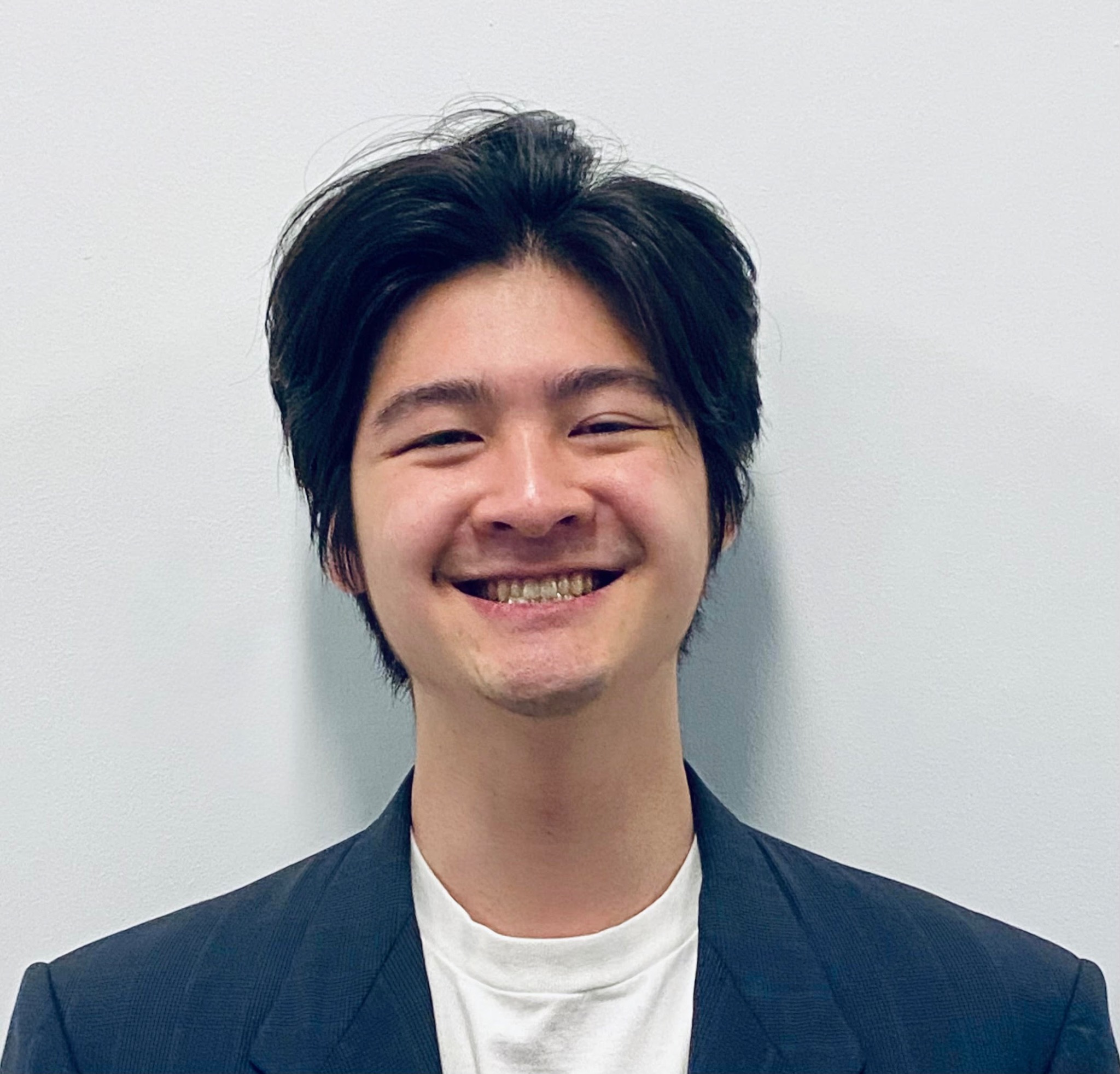
Mechanical design, chamber refinement, sensor alignment, calibration, and design for manufacture.
MyoReactor is being developed to bring direct, longitudinal functional evidence into human engineered-muscle research.